Welcome! I’m an ESL teacher based in Korea. This is my learning site for ESL 1st graders (or others!), where I’ll post free mini lessons and extra practice materials. Cheers!🌞
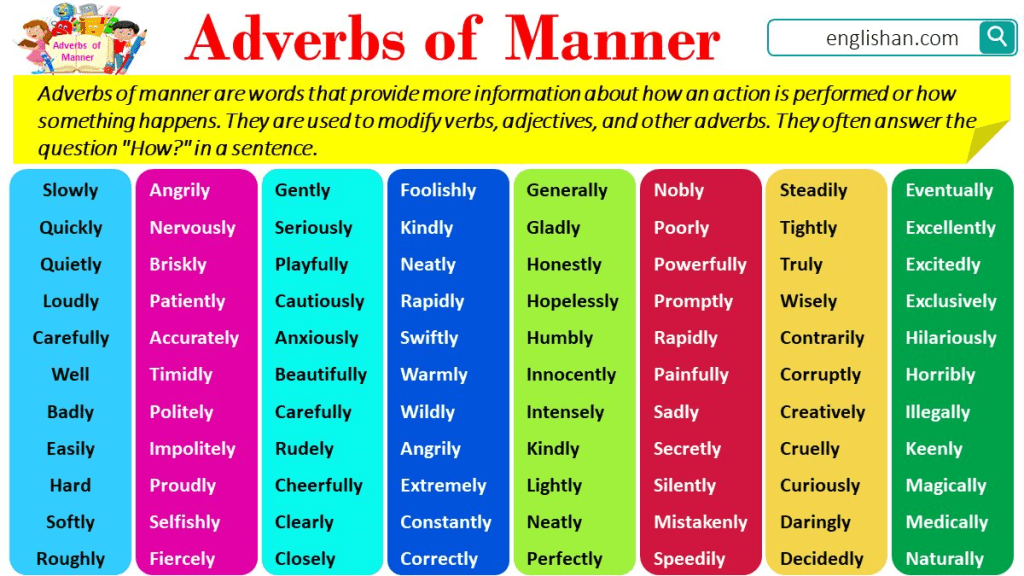
Adverbs are “description words.” But while adjectives are also “description words”, adjectives describe nouns (like people, places, things), and adverbs describe verbs, adjectives, or other adverbs.
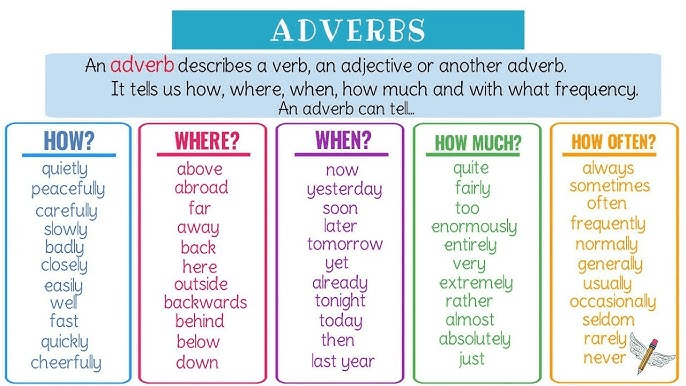
An adverb’s main job is to answer one of these questions:
How? (e.g., He ran quickly.)
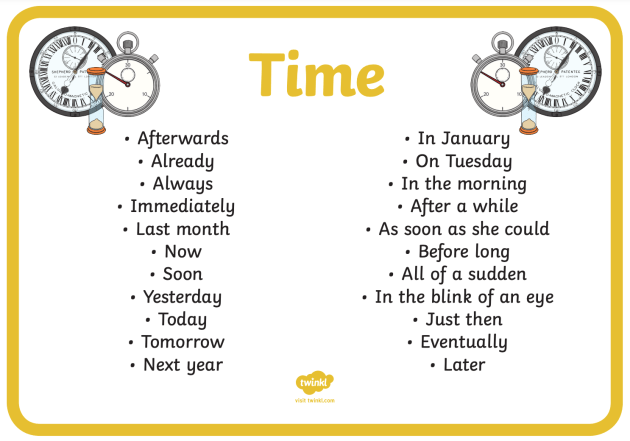
When? (e.g., She will arrive tomorrow.)
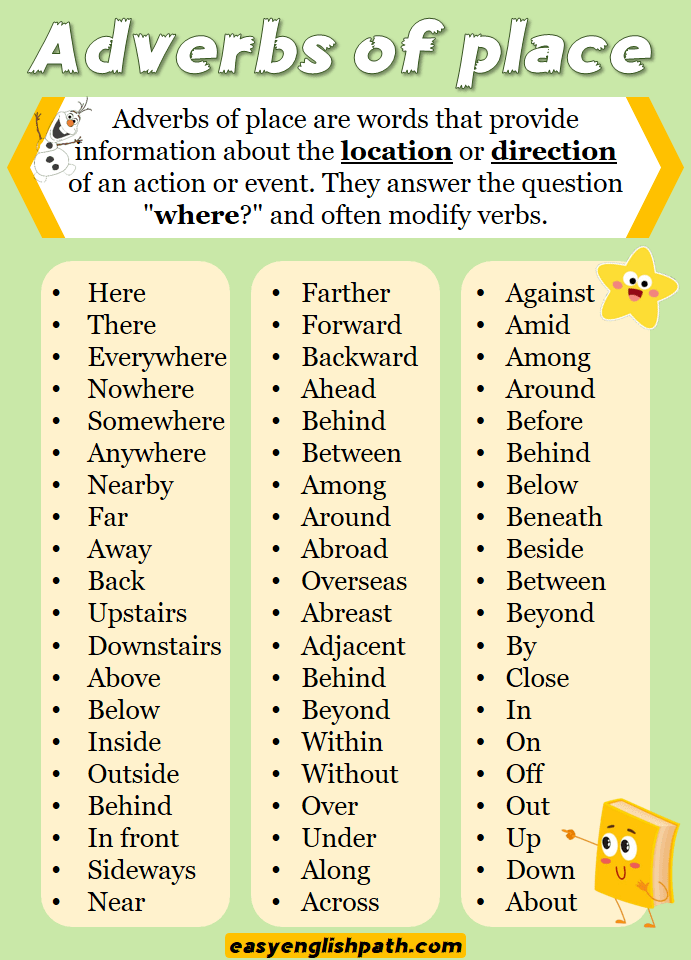
Where? (e.g., I left my keys there.)
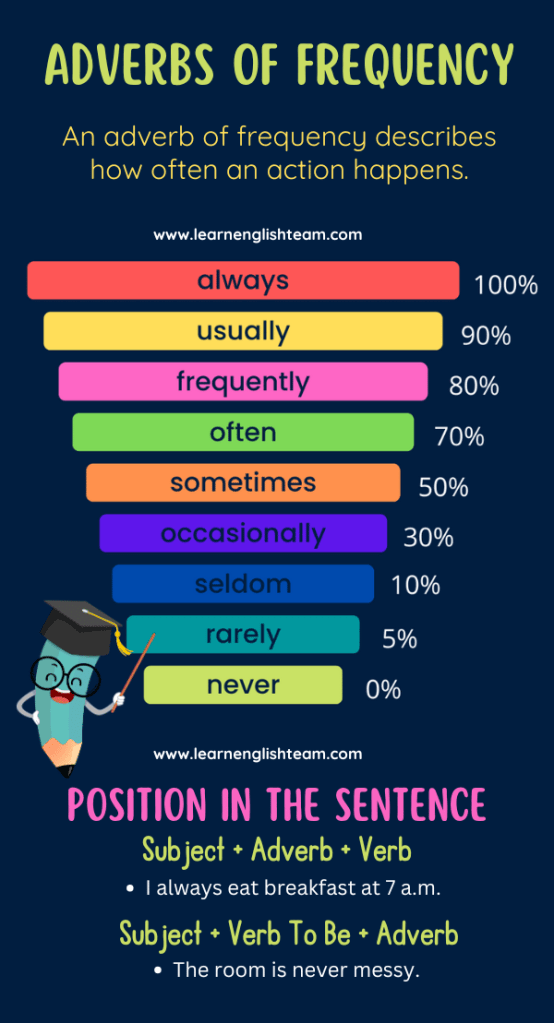
How often? (e.g., They often study.)
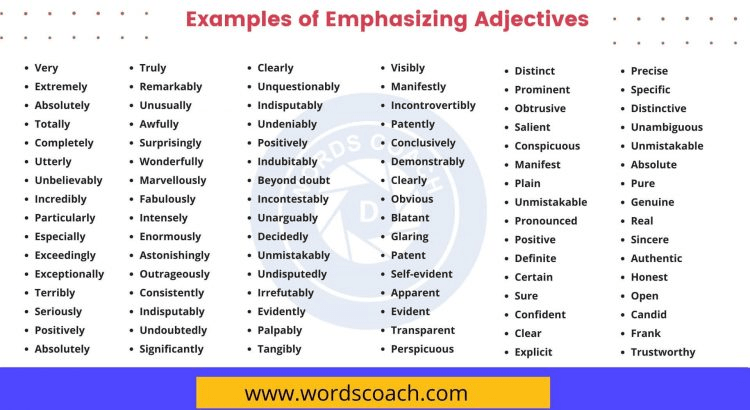
To what extent? (e.g., It is very hot.)
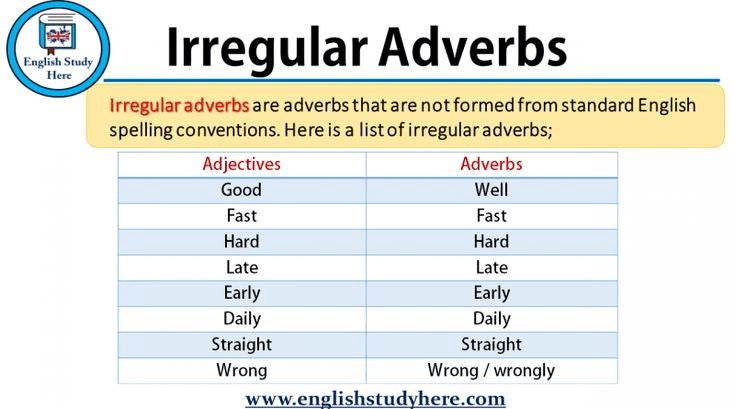
Many adverbs end in -ly (like slowly, carefully, happily), but many do not (like fast, well, here, now).
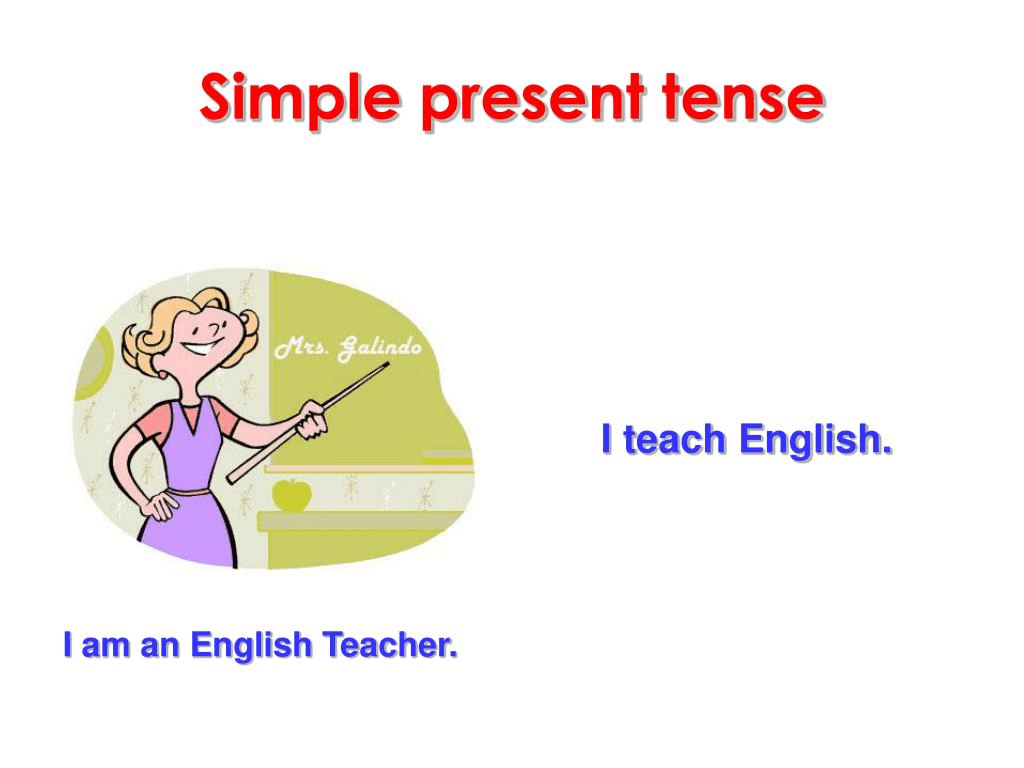
⏱️ Grammar Time: Simple Present Tense!(Habits and Facts)
This tense is for things you do every day or things that are always true.
Rule 1️⃣: Singular vs. Plural Action
When the subject is He, She, It, or one person/thing (Singular), we add-s, -es, or -ies to the verb.
Examples: He runs fast. My sister wishes for a puppy. The baby cries loudly.
When the subject is I, You, We, They, or more than one person/thing (Plural), the verb stays in its base form.
Examples: I run fast. We wish for a puppy. The babies cry loudly.
Rule 2️⃣: Making it Negative or Asking Questions
We use the helper words do or does to make a sentence negative or to ask a question. The main verb must always be in the base form after do or does! (Base form means that the verb is just the word, and has not been changed at all.)
Subject
Negative (Don’t / Doesn’t)
Question (Do / Does)
Negative Question
He, She, It
Doesn’t + Base Verb
Does + Subject + Base Verb?
Doesn’t + Subject + Base Verb?
I, You, We, They
Don’t + Base Verb
Do + Subject + Base Verb?
Don’t + Subject + Base Verb?
Negative Example: She doesn’t know the answer. They don’t know the answer.
Negative Question Example:Doesn’t he like chocolate? Don’t we need a coat?
Here are several worksheets that practice using the Simple Present Tense in both sentence and question forms, as well as their negative forms:
📝This story should be a good match for lower level readers, but can also be a little challenging for mid-level readers who have a hard time with vocabulary!
Vocabulary List: 10 words
1. Embarrassed – Feeling awkward or ashamed about something.
2. Frustrated – Feeling angry or discouraged because you cannot achieve something.
3. Shivering – Shaking slightly and uncontrollably from cold or fear.
4. Compassion – A feeling of sympathy and sorrow for the sufferings of others, along with a desire to help.
5. Desperate – Having an urgent need or desire.
6. Concentrated – To focus all one’s attention on a particular object or activity.
7. Glimmering – Shining faintly or with a wavering light.
8. Coaxed – To gently and persistently persuade someone to do something.
9. Radiated – To send out or spread out from a center.
10. Triumphant – Feeling or expressing great joy and satisfaction because of a success or victory.
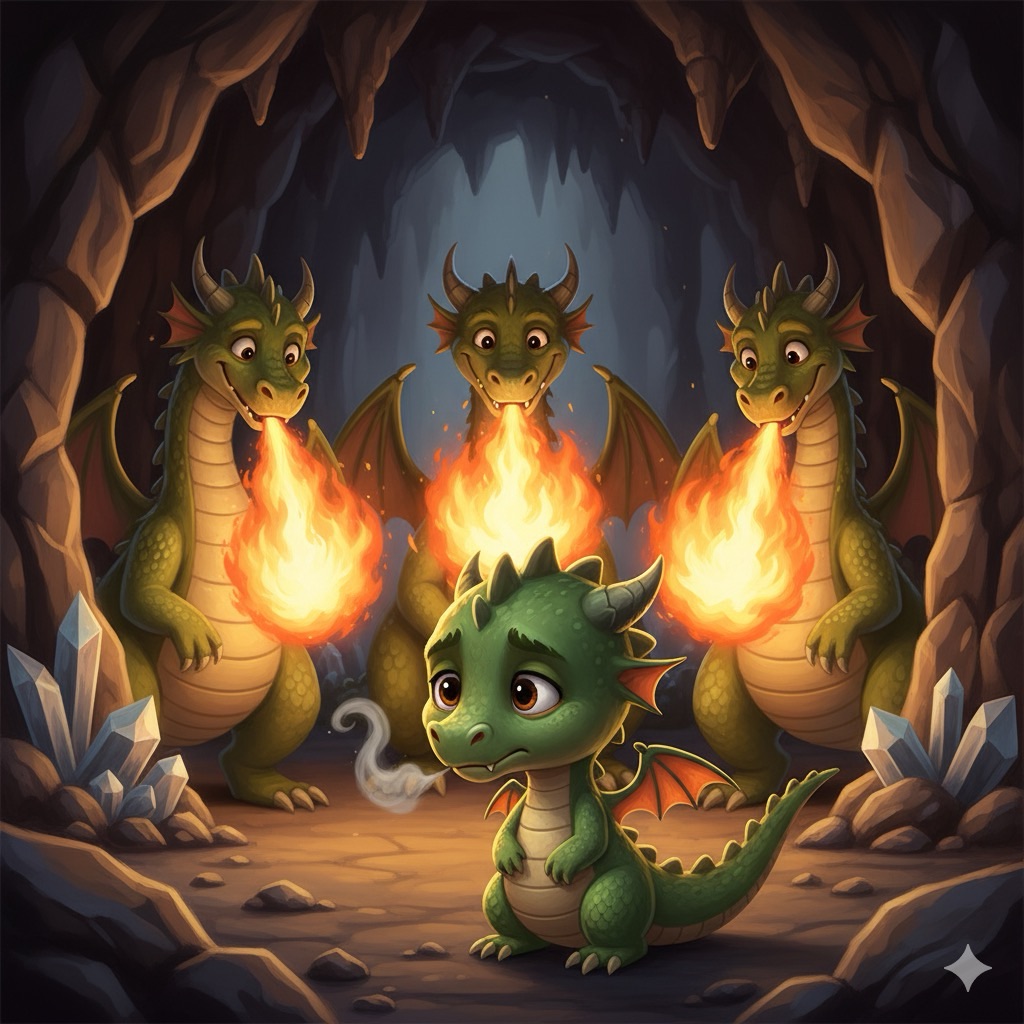
Little Sparky was not like the other dragons. While they practiced breathing big, hot flames, Sparky could only puff out little gray clouds of smoke. When he tried to roar, he just coughed. Every time his friends showed off their fire, Sparky felt embarrassed. He was a dragon who could not breathe fire.
Sparky lived high on a mountain with his family. His mother and father, powerful dragons both, tried to teach him. “Feel the heat inside you!” his father boomed. “Let it out!” his mother said gently. Sparky tried and tried, but he only felt cold air in his chest. He became frustrated with himself and started to hide when other dragons were around.
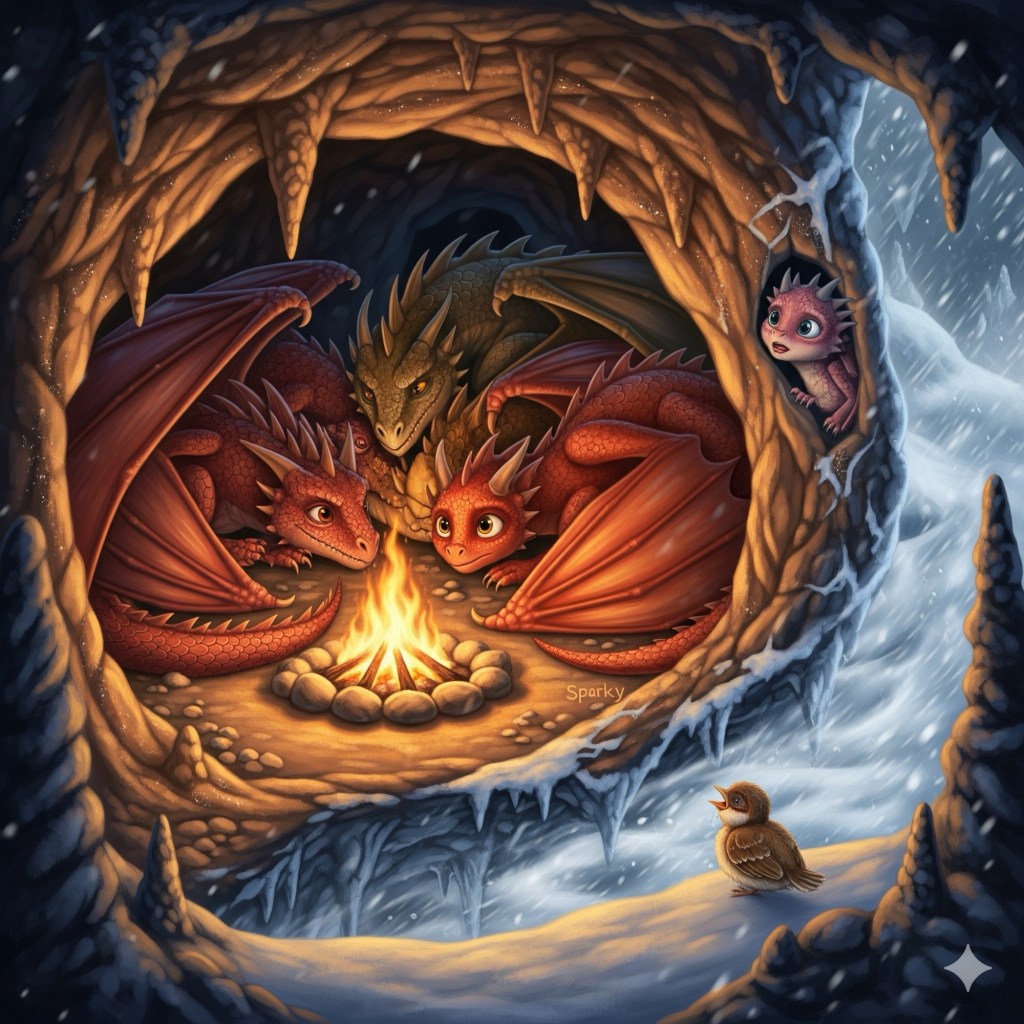
One cold, windy afternoon, a great storm began. The wind howled and snow fell quickly. The dragons gathered safely inside their warm cave. Sparky looked out a small crack in the wall. The wind was a blur of white. Suddenly, he saw a small, baby bird on a ledge outside, shivering from the cold. It was lost and alone.
“Oh no!” Sparky said. He knew the bird would not last long in the freezing wind. He looked at his family. They were all huddled by the fire they had made, too warm and cozy to notice. A sense of compassion filled his heart. He had to help. He had to do something.
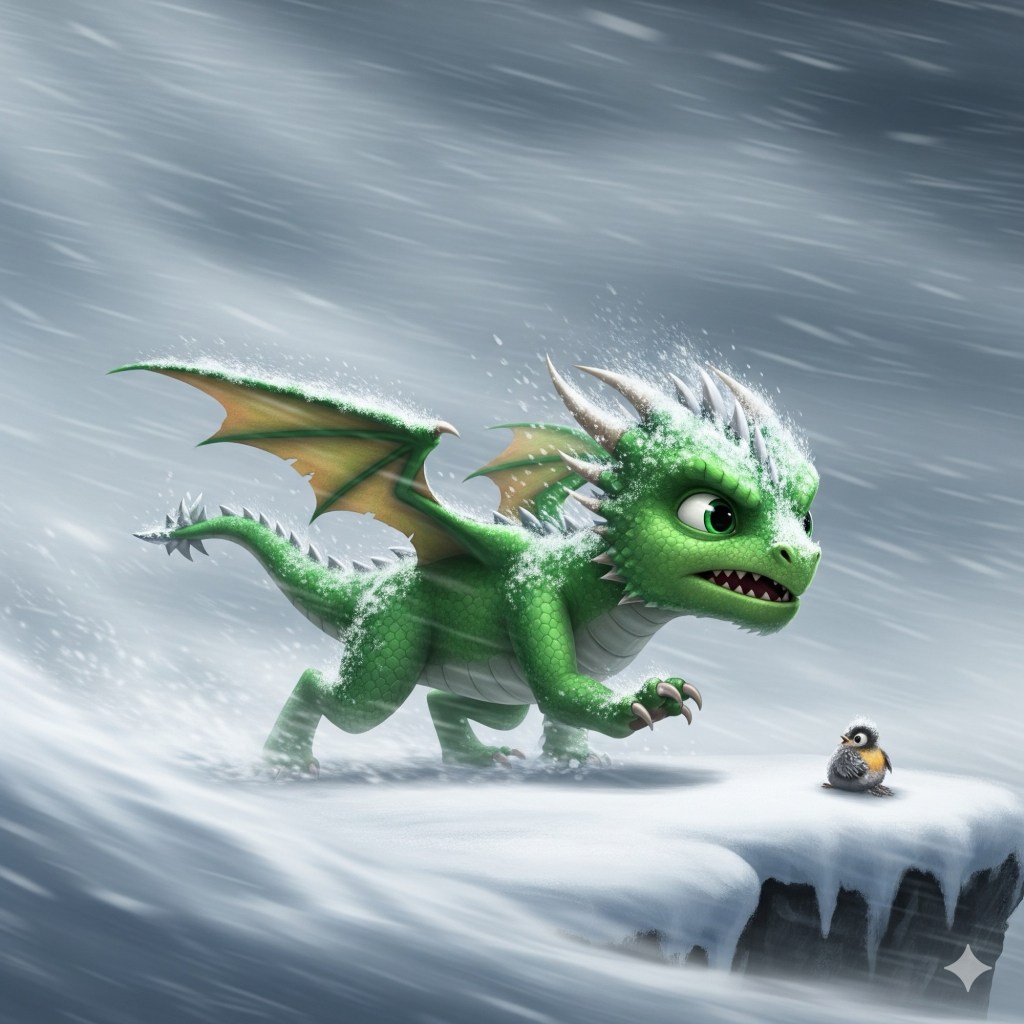
He slipped out of the cave and into the storm. The cold air bit at his scales. The wind pushed him hard, but he kept going. He was desperate to reach the small, freezing bird. He had to be quick. He could see the little bird closing its eyes, its tiny body covered in snow.
Sparky landed on the ledge and carefully moved closer to the bird. “Don’t worry,” he murmured, his voice soft. He knew he couldn’t warm it with a fire, but he put his own body close to the bird. He closed his eyes and concentrated with all his might. He thought not of fire, but of warmth. He thought of the cozy cave and the feeling of a big hug.
As he thought of warmth and kindness, a tiny, warm glimmering light appeared at the tip of his snout. It wasn’t a powerful flame, but a small, gentle glow. It was a flame of pure warmth, not heat. He felt it not in his chest, but from his heart. It was just enough to melt the snow around the little bird and warm its wings. The bird opened its eyes.
Sparky stayed there, coaxed by the warm feeling that radiated from his heart. The gentle flame grew just a little bigger, enough to make a small, safe space on the ledge. The little bird snuggled up to him. He was a dragon who could breathe a special, kind fire. His fire wasn’t for scaring or showing off; it was for helping.
After a long time, the storm passed. The sun came out, and Sparky flew back to the cave, the little bird safe in his claws. His family saw him and were surprised. “You did it!” his father roared. “Your first fire!” But Sparky just smiled. He felt triumphant, not because he had breathed fire, but because he had saved a life.
Sparky now understood. His fire had been hiding all along, waiting for the right moment. The fire of a dragon isn’t just a powerful weapon; it is an extension of the heart. The strongest flames come from the deepest compassion. From that day on, Sparky’s fire was not a tool of power, but a beacon of kindness, a beautiful, warm light in the world.











 Moselle T's Study Materials